
Teatime in Darjeeling (Tin House)
A Notable in Best American Essays 2018 and featured in Lit Hub. Every morning in Tokyo, as the tile roofs of the neighborhood houses come into view, I put the kettle on for Darjeeling tea. When the water reaches a rolling boil, I pour it over the dark, crinkly leaves of the Camellia sinensis var. sinensis tea plant. Like the Japanese paper flowers Proust writes of, the ones that bloom when put in water, a world unfolds as the leaves steep and the musky, floral fragrance rises.

Traveling In Bardo (AGNI)
On September 13th, 2010, I lay in a Tokyo hospital, my joints aching and my skin burning hot. Only a faint glow of daylight penetrated my curtained cubicle. The routine of temperature-taking, breakfast, and doctors’ rounds hadn’t started yet, so the room was silent except for the beeping of monitors and an occasional rattling snore from the elderly woman in the next bed.

The Literature of Uprootedness: An Interview with Reinaldo Arenas (The New Yorker)
Though I was nervous about meeting the great man, one of Cuba's most admired writers, Arenas immediately put me at ease. "Encantado," he said, smiling and taking my hand. Forty years old at the time, he had thick, curly black hair and enormous, sad eyes; his face was lined and leathery.

Flowers Would Fall from the Sky Like Rain (Asia Literary Review)
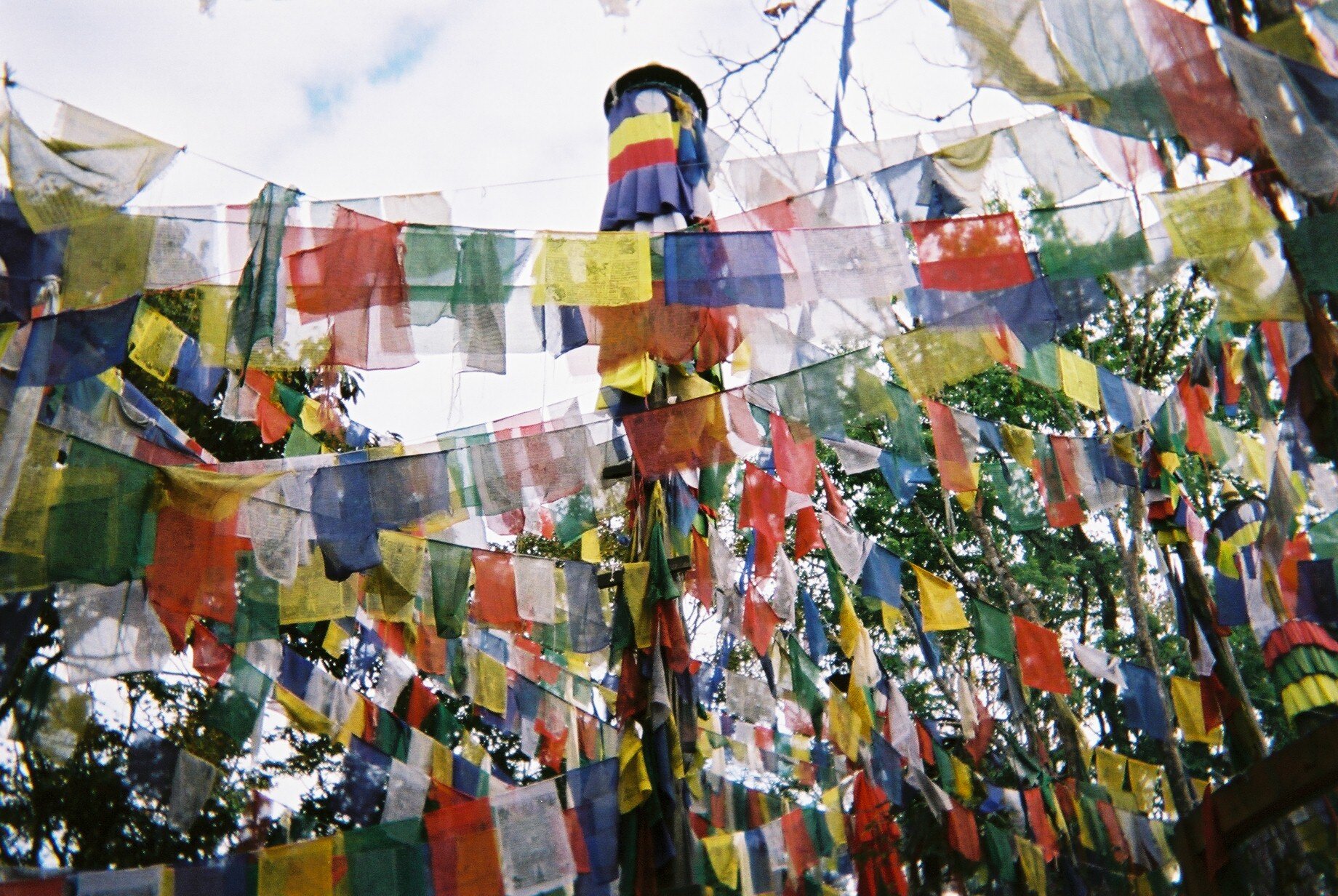
The sun burns through the mist, vultures circling and then settling in the dead trees. The golden roofs of a monastery rise like a mirage against the snow-flocked Dharamsala mountains. Beyond, the Tibetan plateau stretches into eternity. Different things surface in his mind and make him unbearably sad: his sisters’ high-pitched voices as they chant skipping rhymes on a summer afternoon; the smell of his freshly-washed sheets as he lies waiting for sleep, his parents and grandmother talking downstairs; the blue light of winter as he glides on the skating pond, stars and planets glittering in the bare trees, his grandmother watching.
Fata Morgana: Reinaldo Arenas, Writers in Exile, and a Visit to the Havana of 1987 (The Paris Review)
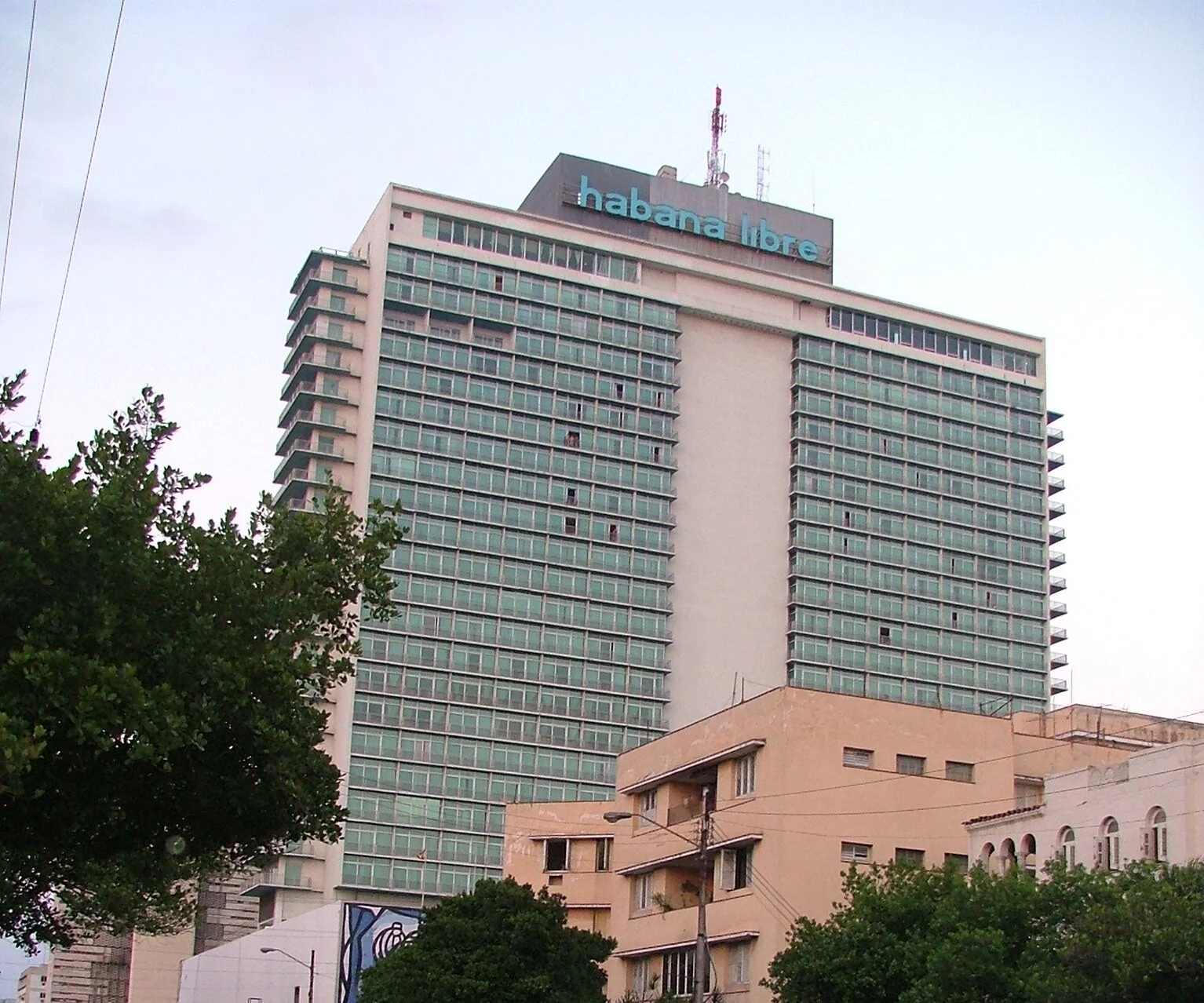
Late on a warm night in 1987, I left Miami for Havana to report on contemporary Cuban writing and see Arenas's environment firsthand. I'd met Arenas in 1983, when I interviewed him for my comparative literature thesis one fall afternoon at Princeton. The thesis included my translations of some of his work, one of which, a novella entitled “Old Rosa,” was later published in Old Rosa: A Novel in Two Stories.